Chongli Healing Hotel · Master Plan
Wellness-enabled real estate on a 171K m² asset-heavy campus
2024.11 – 2025 (master planning) · Client: Health-industrial-park healing hotel near a national regional medical center (anonymized)
| Item | Fact | Definition / note |
|---|---|---|
| Site coverage | ~80 mu | 171K m² GFA, existing-structure renovation |
| Deliverables | 3 documents | Master plan V2.0, pilot file, phase-one plan |
| Consulting fee | RMB 500K | Single-plan master consulting |
| Real-estate target | 550 units | High-value conversion through wellness content |
Full case file
Background
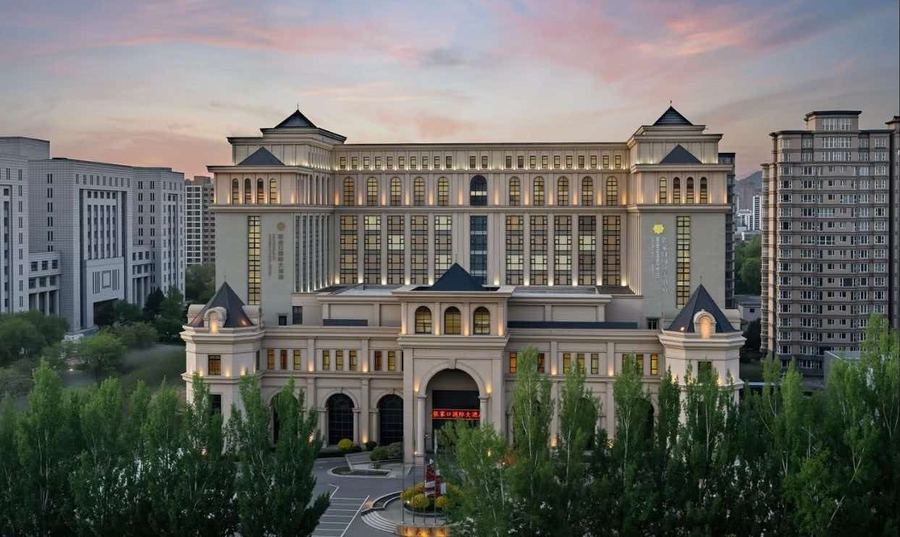
Master-planning consulting for a healing hotel in a health-industrial park, proposed and signed Nov 2024; I was independent consultant and actual planner. The site sits inside the logistics-support zone of a national regional medical center in Chongli: ~80 mu of planned land, ~171K m² GFA: two international conference centers, two apartment buildings, six residential buildings, two academicians' buildings, one retail complex and underground parking. The structures are essentially complete; the task is retrofitting wellness facilities onto existing buildings.
Symptoms
550 residential units need wellness content to complete their high-value conversion, while the campus is asset-heavy, already built, and waiting for content: a completely different problem from building a wellness project from zero.
If one of these is yours, that is our work
- 171K m² asset-heavy campus waiting for content
- 550 units need a new value anchor
Location and endorsement are assets. Forest coverage 67%; over 10,000 negative-oxygen ions per cm³; summer mean 19°C; 150 days of snow cover; within the Beijing-Tianjin-Hebei one-hour life circle with direct high-speed rail and expressway to Beijing; the only 'China Winter-Sports Athletes Medical Base' certified by the General Administration of Sport; and the national regional medical center provides authoritative backing for sports-injury and rehabilitation medicine.
Wellness designed as all-age 'prevent-treat-nurture'. Under the WHO frame, health = 60% lifestyle + 15% genetics + 10% society + 8% medical care + 7% climate: prevent before illness, treat acute illness, rehabilitate the tail end.
The spine is wellness-enabled real estate. Use wellness content to redefine the value of 550 units, so content directly serves real-estate conversion.
A three-phase path. Phase 1 (2024–2025) builds the wellness traffic pool: precision health management (biomarker analysis, microbiome testing, personalized plans, dynamic tracking), premium medical aesthetics and biological therapy (immunotherapy and endogenous anti-aging, exosome therapy, exosome + light/ultrasound, an 'annual bespoke aesthetics plan'), and wellness experiences (digital sand table, forest meditation, sound therapy, membership benefit cards bound to residential discounts) to gather high-net-worth clients.
Phase 2 (2025–2027) deepens experience around a wellness walking street and agricultural therapy, landing seven functional zones (TCM & ethnic-medicine healing, eco-therapy, fitness & functional training, massage & sports rehab, and more).
Phase 3 (2027) binds benefit cards deeply to the property, fully supporting premium sales. Digital support: online health data and reports, course booking and community points, connected to offline experience.
Results
- Plan covers ~80 mu / 171K m² GFA (existing-structure renovation)
- Delivered master plan V2.0, project pilot file and phase-one plan
- Single-plan consulting fee RMB 500K; real-estate target: high-value conversion of 550 units
Verification
The key to an asset-heavy campus is giving those who came a reason to buy a second home. Three planning devices: endorsement up front: the medical base and regional medical center's authority written into every layer of the project narrative; prevent-treat-nurture by age band: short-term acute care, mid-term rehabilitation and long-term wellness absorbing all ages; benefit-card binding: wellness benefits tied to residential discounts, converting content directly into property premium.
Principal’s read · SAM Chengjun Xu
What an asset-heavy campus fears most is not that nobody comes: it is that, having come, there is no reason to buy a second home. Wellness content is that key.
On-site evidence