Premium Ophthalmology · Turnaround
Costs down RMB 2M, daily surgeries +50%, past the break-even line
2024 (operating rebuild) · Client: Ophthalmology specialty of a functional & integrative medicine group (anonymized)
| Item | Fact | Definition / note |
|---|---|---|
| Annual cost reduction | −RMB 2.0M | Supply-chain and consumables restructuring |
| Daily surgery volume | +50% | Scheduling and staffing rebuild |
| Break-even line | RMB 3.3M | Crossed; loss structure turned profitable |
Full case file
Background
The ophthalmology specialty of a functional & integrative medicine group (four medical centers; philosophy spanning early screening, acute treatment, chronic care and root-cause medicine) had full hardware but an annual departmental loss. In 2024 I ran the operating rebuild as external consultant.
Symptoms
Three things interlocked: poor service drove complaints; pricing was high while value explanation was incomplete, leaving no answer to 'why is this worth it'; and sales ran on the doctor-assistant playbook borrowed from other hospitals: a total mismatch for premium ophthalmology. Cost and surgery volume had to improve simultaneously: cutting cost alone hurts capacity; raising capacity alone deepens the loss.
If one of these is yours, that is our work
- Department losing money with no attribution
- No evidence chain behind service
- High price, unclear value
The loss has three structural causes. A loose supply-chain and consumables structure gives cost no leverage; specialty capability is never written into client-verifiable form, so the service evidence chain is broken; and expert credentials sit on individuals rather than becoming client-perceivable trust assets.
Cost side: supply-chain and consumables restructuring; annual costs down RMB 2.0M.
Capacity side: surgery scheduling and team configuration rebuilt; daily surgeries +50%, crossing the RMB 3.3M break-even line: from a loss structure to a profit structure.
Value side: built an optometrist ladder to make pre-op testing precision a process guarantee; compiled a client-experience handbook turning specialty capability into tangible proof; leveraged a team with 300K ophthalmic surgeries, MDT multi-discipline care (eye + heart, eye + endocrine), international green-channel access and the group's functional-medicine spine; the dry-eye program followed a five-in-one assessment design with evidence including a 17,000-case cohort analysis, a 3,000-case double-blind test and 14 precise treatment modalities (incl. LipiFlow thermal pulsation), all cited to original sources (Clinical Ophthalmology, Vol 11, 701–706); paired with a dry-eye word-cloud education tool connecting symptom scenarios to solutions.
Results
- Annual costs down RMB 2.0M
- Daily surgery volume +50%
- Crossed the RMB 3.3M break-even line into a profit structure
Verification
The fulcrum of premium specialty pricing is evidence-based patient education: a complete plan with literature, devices, process and scripts. Until technology is written into a form the client can understand and take home to family, the price can never be explained.
Principal’s read · SAM Chengjun Xu
Clients are not too unsophisticated for your technology: your technology simply was never written into a form they can read and show their family.
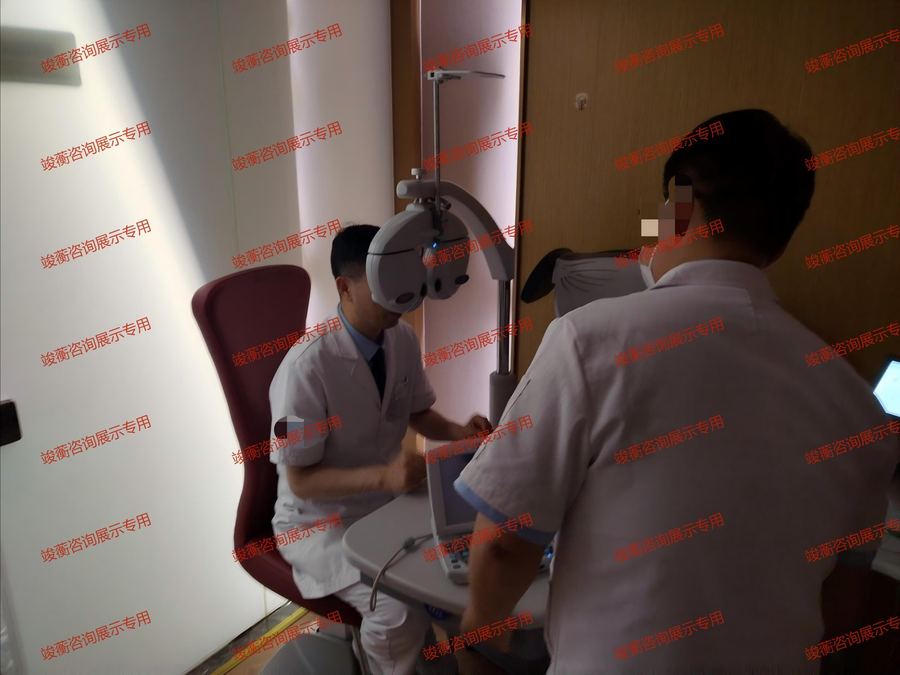
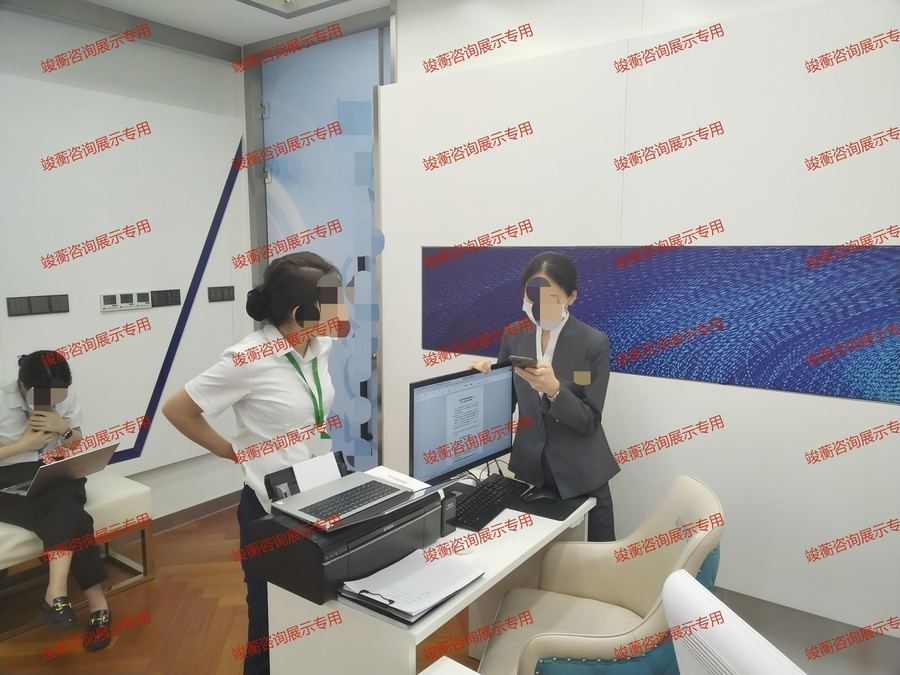
On-site evidence