Functional Medicine Clinic · Full System Build
Discipline building, Outcome Evaluation 2.0 and the precision clinic
2022 – 2024 (system build) · Client: Premium functional-medicine hospital (anonymized)
| Item | Fact | Definition / note |
|---|---|---|
| System deliverables | 7 | Discipline ×3, Theory ×2, Precision clinic ×1, Outcome evaluation ×1 |
| Outcome weighting | 4 dimensions | Indicators / sensation / medication / benefit |
| Triage process | Hospital-wide | Standardized |
Full case file
Background
A premium functional-medicine hospital had the experts, the equipment and the client base: yet functional medicine never grew into a discipline: diagnosis rested on individual physicians' experience, outcomes could not be stated, triage had no process, and client conversion ran on instinct. Across the 2022–2024 build I was independent consultant and actual planner, delivering 7 system documents covering the theory framework, discipline building, triage, Outcome Evaluation 2.0 and the precision clinic.
Symptoms
Four absences at once: no standard for diagnosis, no evaluation of outcomes, no process for triage, no path for conversion. Any one of them presses directly on premium pricing. Clients pay for certainty that can be stated; four absences are four uncertainties.
If one of these is yours, that is our work
- Diagnosis rests on individual experience
- Outcomes cannot be stated
- No triage process
- Conversion runs on instinct
Theory first. Top-level framework: 'integrated medicine + functional medicine + the four-precision strategy (precision screening, precision diagnosis, precision intervention, precision management)'. Functional medicine is the best presentational form of integrated Chinese-Western medicine; it does not replace clinical care.
Outcome evaluation is the only pass. Outcome Evaluation 2.0 weights four dimensions: lab and device indicators, felt changes (sleep, fatigue), clinical medication (reductions in antihypertensives and antidiabetics), and additional health gains; clinical chronic-disease management and functional care are evaluated separately.
Triage caps delivery. Discipline building and the triage process standardize which discipline a client enters and on what path, aligning the expert team with the business architecture.
The discipline trio: business planning & discipline building, discipline building & triage process, expert-team & business-architecture alignment: elevating functional medicine from 'department' to 'discipline'.
Outcome Evaluation 2.0 landed the four-dimension weighting, a star-rating system for treatment physicians and a client-management performance framework, writing 'outcomes are the only pass' into policy.
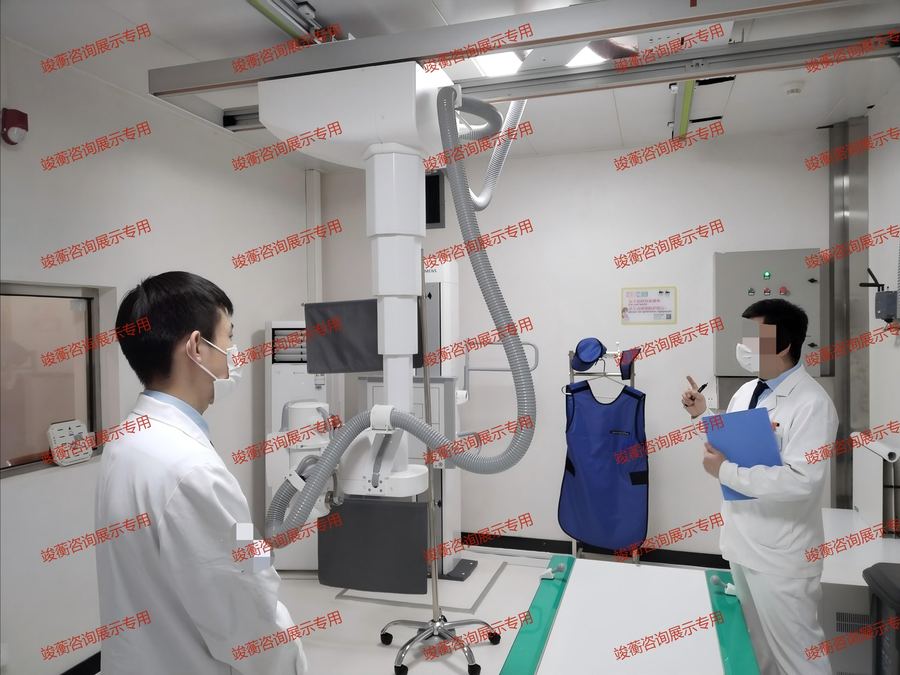
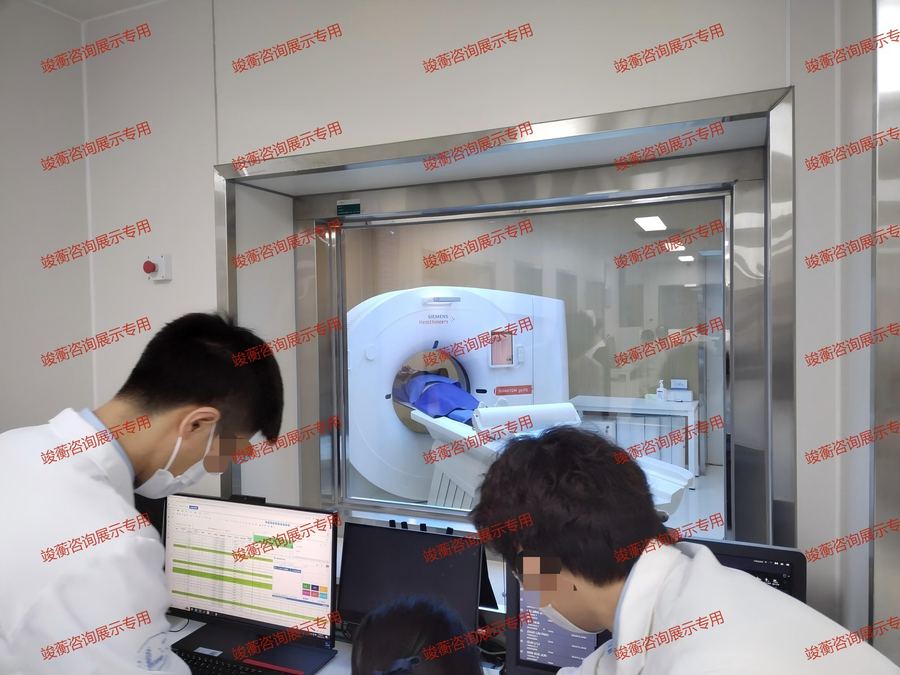
The precision clinic was built as a closed loop from precision screening and diagnosis to intervention: an operable center, not a concept.
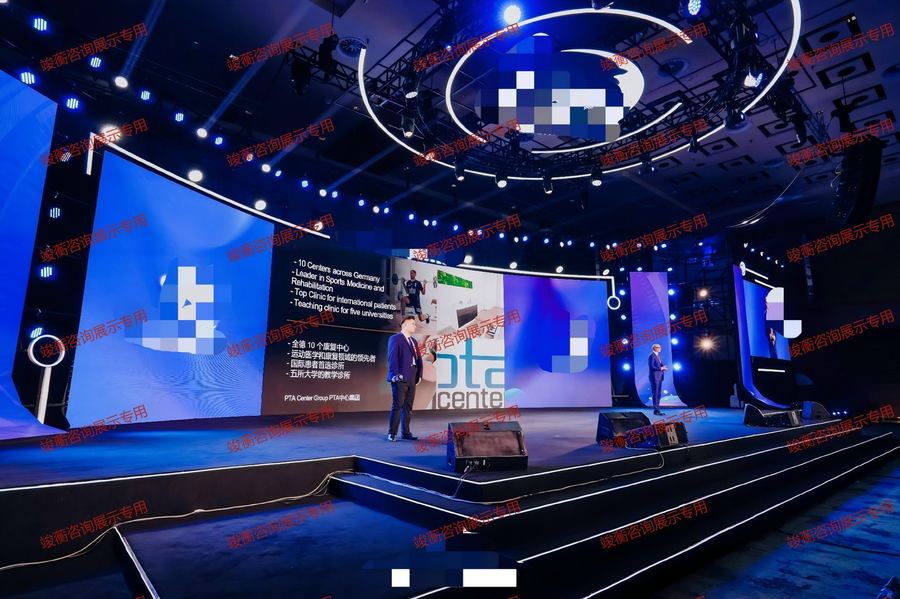
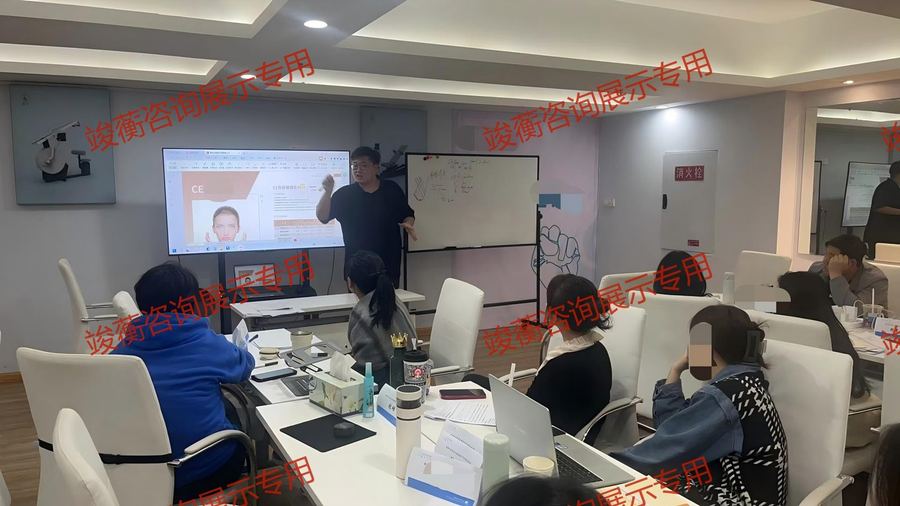
The integrated-medicine theory framework was systematized at a functional-medicine annual conference, writing operations management and client conversion into internal methodology.
Results
- 7 system deliverables (discipline building ×3, theory framework ×2, precision clinic ×1, outcome evaluation ×1)
- Outcome evaluation on 4 weighted dimensions; hospital-wide triage standardized
Verification
What makes the system hold is one dimension: 'clinical medication reduction'. Reducing antihypertensives and antidiabetics is checkable medical language; outcomes turn from feeling into fact, and functional medicine's premium pricing finally has provenance. It also answers the industry's most common objection: that functional-medicine outcomes can never be stated.
Principal’s read · SAM Chengjun Xu
Functional medicine does not replace clinical care: it covers the segment clinical care ignores. But first, you must be able to state the outcomes clearly.
On-site evidence